
Tsunamis! What are they?
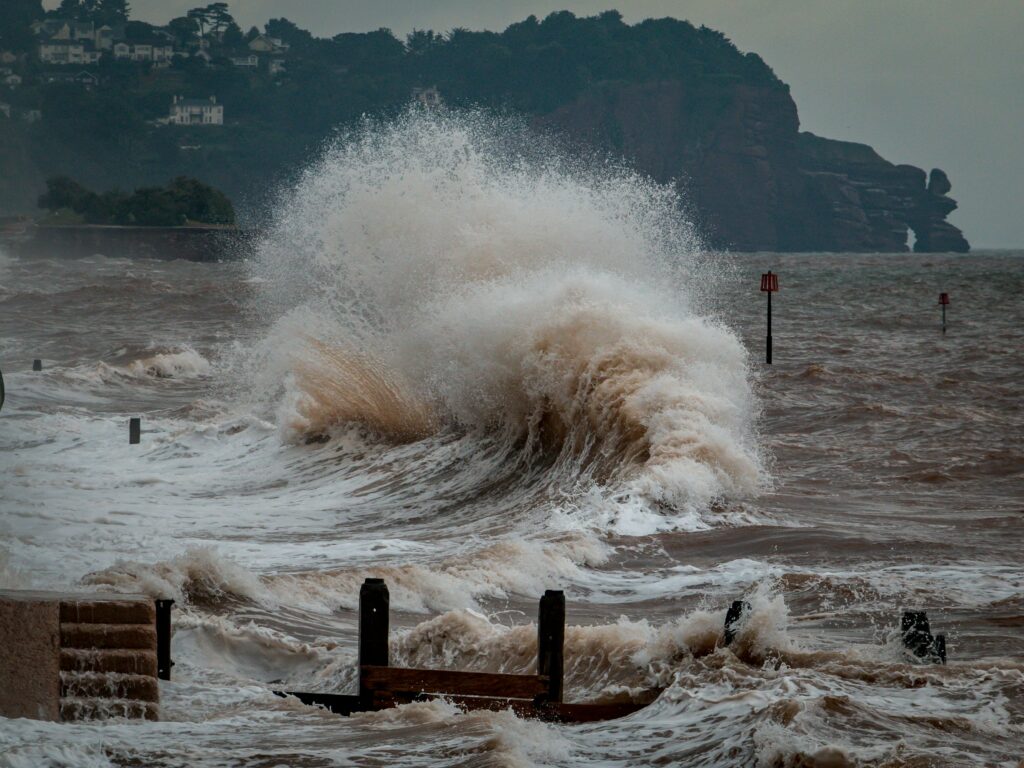
The main theme surrounding this series is evident. Climate change has been increasing the frequency and magnitude of natural disasters around the globe. Tsunami’s, like the rest of the disasters I’ve written about, fit the bill. A tsunami is a wave of water produced by agitation from either an earthquake or volcano, which then climbs onto land. Tsunamis tend to decimate everything in their wake as the amount of weight being swept across the landscape is immense.
Coral Reefs
Coral reefs are also at risk of being impacted by tsunamis. The increase in water in the ocean, as discussed in our section on floods, allows for the propagation of larger, more devastating tsunamis. Shao, et al. (2019) evaluated the impact that this rise from climate change would have on a specific type of coral reef known as a fringing reef. Using a wave model, they deduced that the damage to the reef will be much more significant following the changes of climate change1. The authors mention that extra protective measures will be needed to avoid devastating these fringe coral reefs.
Earthquakes can lead to tsunamis!
Earthquake triggered tsunamis (ETTs) affect coastal regions as the water in the ocean is brought up onto land and slowly loses speed as it climbs across the terrain. The areas of land next to water are generally inhabited by people. Many towns often enjoy the natural beauty that the ocean provides. As such, they are also subject to the dangers of tsunamis. Shown with models of the Mediterranean sea, a rise in sea level will cause increased devastation by tsunamis which runs parallel with a devastation to those towns economic and social structure2. Again, climate change is being shown to devastate communities, providing clear evidence that it is in most peoples best interest to combat it.
Mangroves
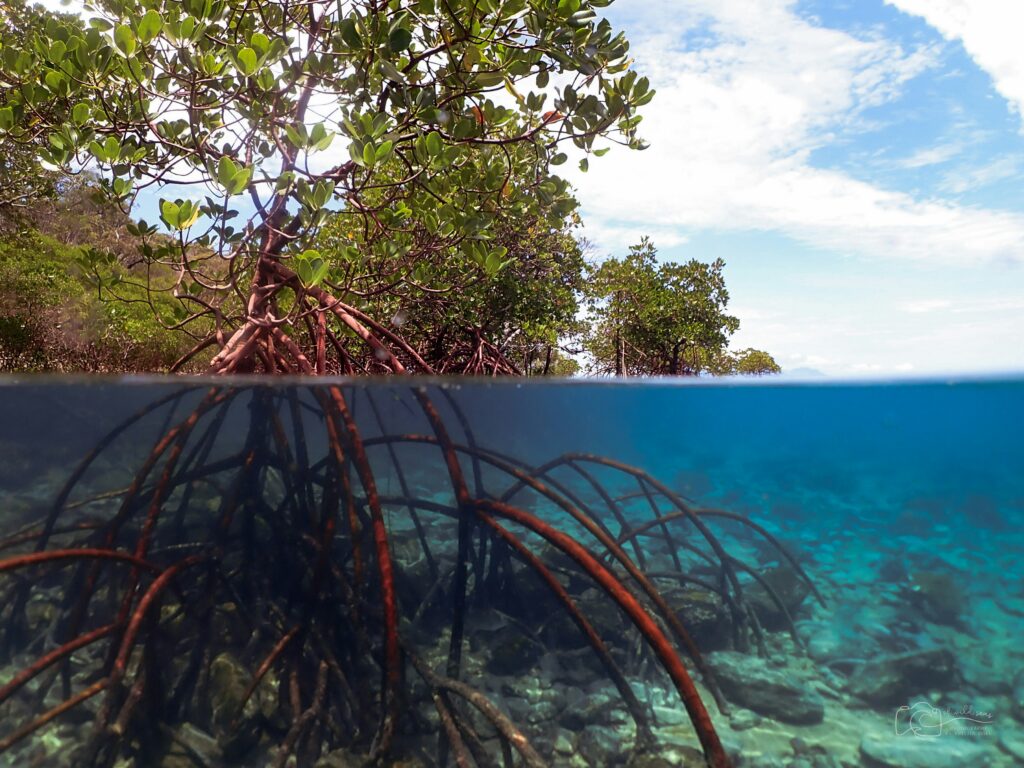
Mangroves are trees or shrubs that line the coast, occurring in salt water. Their ability to avoid the negative impacts salt has on plants and take up water allows them the ability to grow in these areas. Mangroves provide structural stability on the coast as the thick roots aid in protection from erosion. They have shown to be great at providing support during events such as tsunamis due to this ability. Tsunamis, with increased magnitude from climate change appear to put about 10-15% of mangrove areas at risk of loss3. These are vast ecological communities that not only protect human resources, but that of other aquatic and land-based life. These provide habitat and nutrients for many other plants and animals in these areas. Climate change is putting mangroves at risk, due to increased impacts of tsunamis.
References:
- Shao K, Liu W, Gao Y, Ning Y. 2019. The influence of climate change on tsunami-like solitary wave inundation over fringing reefs. Journal of Integrative Environmental Sciences. 16(1):71–88. doi:https://doi.org/10.1080/1943815x.2019.1614071.
- Yavuz C, Kentel E, Aral MM. 2020. Climate Change Risk Evaluation of Tsunami Hazards in the Eastern Mediterranean Sea. Water. 12(10):2881. doi:https://doi.org/10.3390/w12102881.
- Alongi DM. 2008. Mangrove forests: Resilience, protection from tsunamis, and responses to global climate change. Estuarine, Coastal and Shelf Science. 76(1):1–13. doi:https://doi.org/10.1016/j.ecss.2007.08.024.